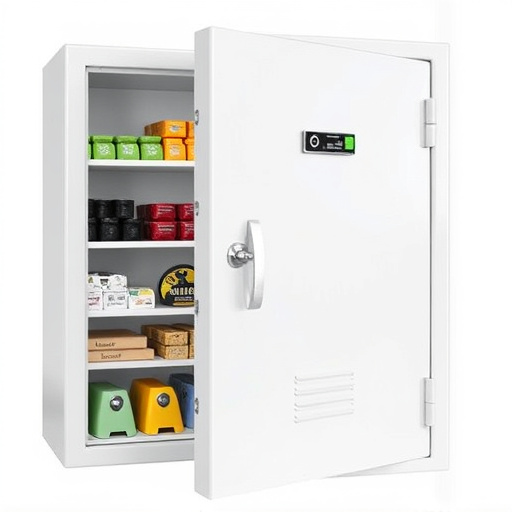
In today's digital age, secure document storage remains paramount despite easy access to information. Covert storage systems, including hidden storage cans for documents, offer discreet protection from unauthorized access. Demand has risen due to growing privacy and data security concerns. These cans integrate seamlessly into everyday objects like spices, rocks, or plant pots, ideal for safeguarding legal paperwork at home or preventing corporate espionage. Key features include adjustable compartments, secure locking mechanisms, smart sensors, and user-friendly access. Regular maintenance is crucial for adaptability against evolving threats, ensuring the system's effectiveness in protecting vital records.
In today’s digital age, discretion is key, especially when it comes to securing sensitive documents. This has led to a growing demand for innovative hidden storage solutions. This article explores the world of covert storage systems, with a focus on designing and implementing discrete hiding spots, such as hidden storage cans for documents. We’ll delve into essential design considerations and security measures that ensure your important papers remain safe from prying eyes.
- Understanding the Need for Covert Storage Systems
- Design Considerations for Hidden Storage Cans
- Implementation and Security Measures for Document Hiding Spots
Understanding the Need for Covert Storage Systems
In today’s digital age, while information is easily accessible and shared, there remains a critical need for secure document storage, especially when dealing with sensitive materials. This is where covert storage systems come into play, offering a discreet solution to protect important papers from unauthorized access. The demand for hidden storage cans for documents has increased due to growing concerns over data security and privacy.
Covert storage mechanisms provide an extra layer of protection, ensuring that valuable documents or personal records remain hidden and safe from prying eyes. This is particularly relevant in various scenarios: from safeguarding legal paperwork at home to preventing corporate espionage within a business environment. These systems are designed to seamlessly integrate into everyday objects, such as common household items, making them virtually invisible to casual observation.
Design Considerations for Hidden Storage Cans
When designing hidden storage cans for documents, discretion is key. These discreet storage solutions must blend seamlessly into their surroundings to avoid attracting unwanted attention. Consider materials that are commonly used in everyday objects like kitchen or bathroom items—a can of spices, a fake rock, or even a real-looking plant pot—to ensure the hidden compartment goes unnoticed. The design should be well-crafted and realistic to prevent raising suspicion, with subtle differences that only a keen eye would notice.
Functionality is another critical aspect. Hidden storage cans need to accommodate various document sizes while keeping them secure. Incorporate features like adjustable compartments, locking mechanisms, or smart sensors for enhanced security. Additionally, ensure the can’s mechanism is user-friendly and easily accessible, allowing users to store and retrieve documents without leaving behind telltale signs of tampering.
Implementation and Security Measures for Document Hiding Spots
When implementing a covert storage system, particularly for documents, utilizing hidden storage cans is an effective tactic. These discreet containers can be cleverly placed within everyday objects or furniture, offering secure spaces to hide sensitive paperwork. From small compartments built into books or fake electrical outlets to custom-made pieces of art, the possibilities are vast. This method ensures that vital documents remain out of sight and reach, enhancing security for personal or business records.
Security measures play a pivotal role in such systems. Advanced locking mechanisms, biometric access controls, and encryption techniques can be employed to safeguard hidden storage cans. Additionally, integrating alarm systems and motion sensors adds another layer of protection, alerting users to any unauthorized attempts at access. Regular maintenance and updates of security protocols are essential to counter evolving threats, ensuring the system remains robust and effective over time.
In conclusion, the implementation of covert storage systems, particularly hidden document storage cans, offers a creative solution to discreetly securing sensitive information. By integrating these innovative hiding spots into various environments, individuals can safeguard their documents from unauthorized access. With careful design considerations and robust security measures, such as advanced locking mechanisms and concealment techniques, these hidden storage cans ensure peace of mind and the protection of vital records. For those seeking efficient document storage without compromising discretion, covert storage systems are a reliable and game-changing option.